Friday, May 27, 2016

Flooding and Mold Growth

Flooding can cause mold growth
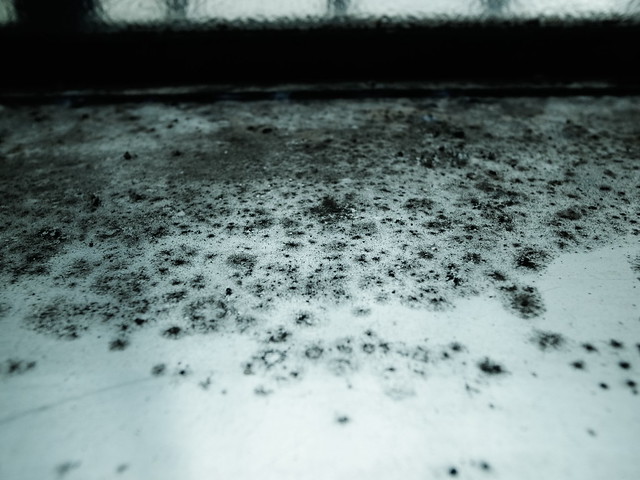
Mold

When flooding causes mold growth. (Photo Credits)

When flooding occurs, the danger of molds start to creep up.

ABC15 News issued a warning following a flooding incident. Removing Mold 

“Schecker said now is when asthma sufferers should make sure to take their medication regularly and appropriately, understand the warning signs of flare-ups and get medical attention right away. Flood victims may eventually come to believe that their home or business is completely dried out and the mold and moisture problem taken care of, but it could be hidden beneath the surface and not something they may be able to solve themselves.”

Watch the news feature here.

The danger of mold growth

Oklahoma’s Own also shared yet another video warning about the dangers mold pose when flooding takes place.

“There’s a new threat growing in several areas due to all of our flooding. Mold is a concern for many flood victims because it only gets worse with time, and can become a problem within two days of flooding. The Red Cross and the extension service are warning people to clean up their homes as soon as possible, especially if it gets into furniture and the walls.”

Read the rest of the article here.

You may also want to read:

Century 21 also alerted its readers against the dangers of mold growth following a flooding incident.

Mold can start to grow on or inside the walls of rooms that were flooded. For flooded rooms with drywall, you need to cut away the entire bottom section of drywall at least 12 inches above the flood line. If any mold is growing on any drywall, the entire section will need to be removed. Mold cannot be properly cleaned from porous material like drywall. Other porous materials that were wet, such as wall paneling, should also be removed. Wet wood is usually okay once it is completely dried with no mold. Insulation that was wet also needs to be removed and disposed. Make sure the house, especially wall cavities, is completely dry before replacing any discarded materials.”

Read the rest of the post here.

What is your initial move following a flooding incident?

http://www.moldfixer.org/avoiding-fires-during-the-winter-season/

The post Flooding and Mold Growth appeared first on Mold Fixer.

Tuesday, May 17, 2016

Avoiding Fires during the Winter Season

Stay Safe during the Winter Months

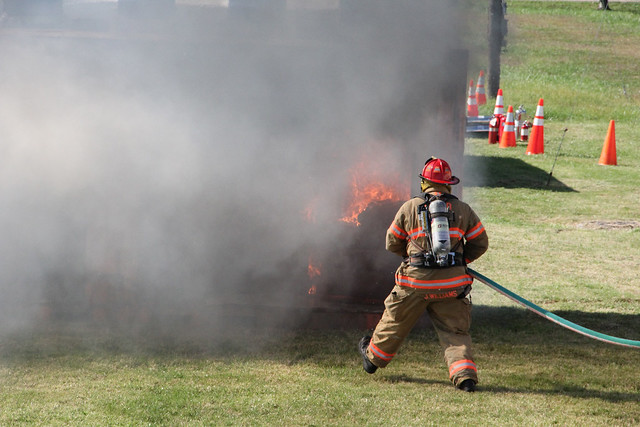
Five-alarm fire burns in downtown Montreal.

Fires can happen even during the winter months. (Photo Credits)

Fires can take place any season of the year, so homeowners should remain vigilant in avoiding these tragic accidents.

The Red Cross has issued some tips o how to avoid fired during Winter Storms.

“The massive winter storm hitting the East Coast has home heating systems running hard and the American Red Cross asks everyone to use caution heating their homes, especially if using supplemental heating sources. Heating one’s home through the winter can be expensive, so costly that almost half of the families in the United States use alternate heating sources such as space heaters, fireplaces, or coal or wood stoves to stay warm. These supplemental heating sources can be dangerous if not used properly.”

Read the rest of the tips here.

Mind the space heaters

Fox 39 Also issued some warnings through a video they posted in their website. Fire Sprinkler 

“Safety tips to avoid home fire during winter.”

Watch the clip here.

You may also want to read:

24 Hour Service

Molds and Children 

The Hidden Cause of Sickness in Your Home

Flood Safety Tips

MF’s Water Removal Service San Diego County Areas

Salinas, California Firefighters say that one of the main causes of fire during the winter season are heaters that have been inappropriately used.

KSBW.com published a report on this.

“Vanderhorst said it’s not uncommon to see these types of fires during the winter months. ‘We have an increase in fires this time of the season because of the cold weather, and we get people using heaters inappropriately, using extension cords when they shouldn’t be, and that leads to fires and of course the homeless folks are trying to stay warm.’”

Read the rest of the report here.

What are the precautionary measures that you take during winter months?

http://www.moldfixer.org/how-to-detect-water-damage-to-avoid-molds/

The post Avoiding Fires during the Winter Season appeared first on Mold Fixer.

Sunday, May 8, 2016

How to Detect Water Damage to Avoid Molds

Avoid Molds by Heeding The Signs of Water Damage

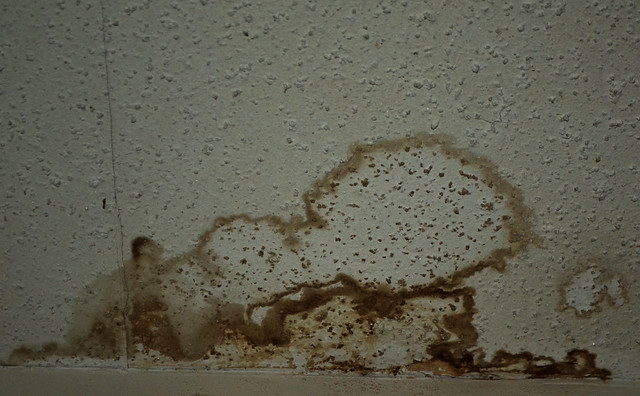
water spot

Avoid mold infestation by detecting water damage in your home. (Photo Credits)

One of the best ways to prevent mold growth at home is to quickly detect water damage in the home.

After all, molds thrive in a moist environment, which is in turn caused by water damage.

Best Biz Source gave homeowners warning signs of water damage in a home or commercial structure.

“With this in mind, you need to Contact a professional that can come over and assess the situation, and then fix it to ensure that nothing bad happens if you leave it alone for too long.”

Read about the signs here.

Avoid Mold and Mildew

Keystone Basement Systems also mentioned some signs of water damage homeowners should watch out for. Black Molds           

“While a small wall or floor fissure may not seem like a huge issue, smaller cracks often lead to larger ones. Cracks in the walls or basement flooring indicate that water is filling the ground surrounding the foundation and pressure is building and causing the wall to crack. A small crack can grow, and eventually it may lead to structural damage and failure.”

Check out the rest of the post here.

Related Mold, Fire, and Water Damage Remediation Services:

Oregon Live meantime shared what homeowners can do when water damage hits their respective homes.

“Use box fans to circulate the air. If you have standing water around your foundation or crawl space, you may need to get a sump pump to remove the water. Oregon State University Extension Service recommends using a dehumidifier to remove moisture and holding indoor relative humidity between 40 percent to 60 percent. When you come in from the rain, leave wet clothes, shoes and umbrellas outside to dry. Don’t hang wet coats in the closet. Dry off wet pets, too.”

Read the rest of the post here.

When was the last time you checked for water damage in your home?

http://www.moldfixer.org/flashfloods-and-cars/

The post How to Detect Water Damage to Avoid Molds appeared first on Mold Fixer.

Wednesday, April 27, 2016

Flashfloods and Cars

What Flash floods can do to vehicles

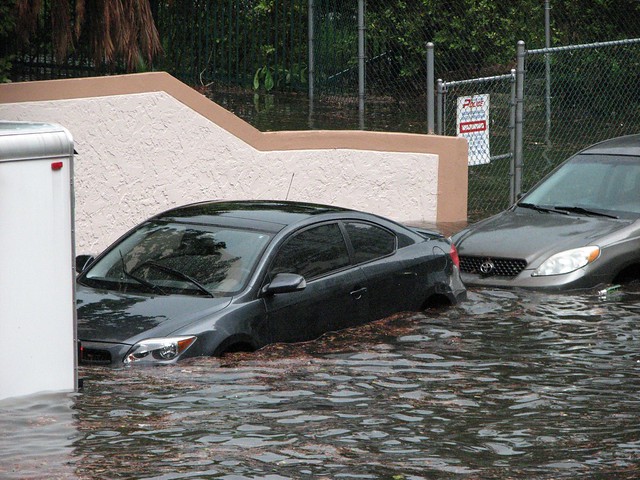
South Beach flood

Flashfloods pose a huge risks to motorists. (Photo Credits)

Flash floods do not only damage homes, it can also pose a great danger to vehicles and motorists.

In one of its reports, CNN showed how devastating flash floods can be on cars. How to deal with flooding

“Cars sat submerged in mud with their roofs barely visible. Hail the size of golf balls tumbled from the sky.”

Watch the video clip here.

Really devastating

Speed Society meantime shared a hair-raising video on what flashfloods can do to a parking lot full of cars. Floods  

“When this flash flood popped up seemingly out of nowhere, it really took our breath away, sweeping away twenty or so cars in seconds. Shortly before, the flooding didn’t even look like a big deal, then BOOM, the cars were gone except for one guy who snapped his lockers in place and took off before the raging water could get him!”

See the footage here.

You may also want to read:

FHM meantime featured flood-ready vehicles.

“Thinking of replacing that low-riding sedan of yours? With the rainy days in full swing, we can’t help but routinely wonder if it’s time to replace our rides with something a little bit, well, taller.”

Check out the vehicles here.

How prepared are you for a flash flood?

http://www.moldfixer.org/animals-and-flash-floods/

The post Flashfloods and Cars appeared first on Mold Fixer.

Thursday, April 14, 2016

Animals and Flash Floods

The dangers of Flash Floods on Pets

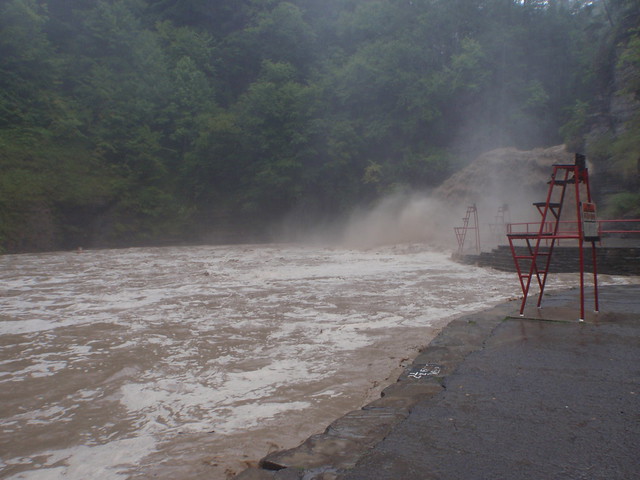
During the Flash Flood 2

Random stories on Flash Floods. (Photo Credits) 

Flash floods could be really scary and could claim lives and properties in an instant.

There are many stories and random anecdotes that revolve around flash flooding incidents.

Petfans.com put the postlight on a couple in Japan, who loves animals and ensured their safety during a bout of flash floods in their area.

“Natural disasters, mostly in situations like this, are hard moments that some people forget about their pets, forgetting to rescue them. What this woman and the man did to their dogs was something that will leave you speechless. It all started in the city of Joso in Tokyo, Japan, sadly the city was hit by a flash flood, it happened after the Kinugawa River burst its banks, which caused a disaster. How to deal with flooding 

Check out the photos here.

Pets and Flash Floods

Two men featured over at The Dodo made a mini Noah’s ark care of their little boat when they decided to save animals from the flash floods. Floods

“So Williams and his brother traveled around, placing every struggling animal they came across into the boat. Once the water levels began to lower, the animals were released.”

See the photos here.

Related Mold, Fire, and Water Damage Remediation Services

I Heart Dogs meantime featured a dog lover who refused to let go of his pet during a flash flood.

“When we find ourselves in a dire situation, our first instinct is to grab a few important belongings and save ourselves and our family. We expect our pets to follow us. In our haste and panic to scramble to safer grounds, we sometimes forget that our pets might not make it to safety which is how most of them become lost/victims of natural calamities.”

Watch the clip here.

Have you experienced flash floods?

http://www.moldfixer.org/what-to-do-after-a-storm/

The post Animals and Flash Floods appeared first on Mold Fixer.

Tuesday, April 5, 2016

What to do after a storm

How to deal with the aftermath of Storm

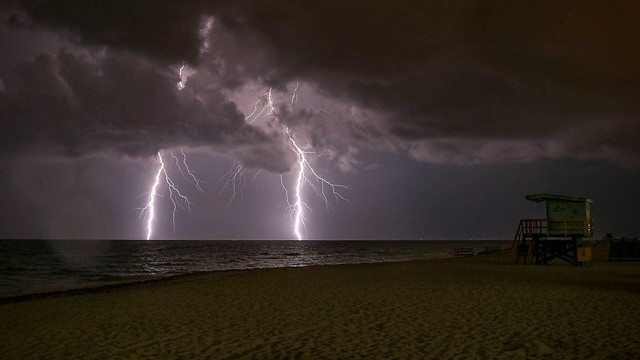
Storm

What can you do after it hits you? (Photo Credits) 

Knowing what to do after a storm is key not only to one’s survival, but also towards the longevity of one’s home and appliances.

A storm usually brings about a lot of danger, foremost of which is flooding.

Mountain Bulletin shared tips on what to do after a storm. How to deal with flooding

“Managing rain once it falls onto your property is important, you want to make sure that the water goes where it should and sink where it can. You don’t want puddles of water near your front door, or where you park your car, but you do want water for your flowerbeds, at the same time you don’t want your flowerbeds to wash away. The best way to see if your rain gutters and other measures are working right on your property is to watch them in action. So during and after a storm go outside and see what is happening on your property, see the checklist below for what to look for. Note this checklist is just the basics and every property is different. Please modify this checklist to reflect the needs of your property and neighborhood.”

Check out the tips here.

There is Danger even after the storm has hit

UCONN Health meantime compiled internet articles relating to storm and mold forming. Floods

“In the fall of 2013, the Center for Indoor Environments and Health began work on Recovery from catastrophic weather: mold exposure and health-related training [funded under the Centers for Disease Control and Prevention’s National Institute for Occupational Safety and Health (NIOSH) Hurricane Sandy Cooperative Agreement 1U01OH010627-01…The project is designed to increase knowledge and protective behavior related to mold mitigation and health effects within emergency and recovery respondents in states affected by Hurricane Sandy.”

See the links here.

Related Mold, Flood and Fire Remediation Service

Media Agency CKNW reminded homeowners about possible food poisoning during storm power outages.

“First and foremost, don’t open your fridge or freezer doors unless necessary; adding an unopened refrigerator will keep food cold for four hours. If available, add ice to the fridge to keep it at safe temperatures. The CFIA is also reminding the public spoiled food doesn’t necessarily smell bad.”

Read more here.

What do you do after a storm has hit?

http://www.moldfixer.org/all-about-fire-safety/

The post What to do after a storm appeared first on Mold Fixer.

Friday, March 25, 2016

All About Fire Safety

Ensuring Safety Against Fires

Fire safety Week 2014 IMG_5659

What you need to know about fire safety. (Photo Credits)

Fire safety is everybody’s business. Fire safety tips and lessons are all over the community and in the internet so the business of knowing about it is actually easy if only an individual, or a family, will take time to read or listen. Firefighters 

Today.com says fires are more dangerous now than house fires three decades ago.

“Research shows that 30 years ago, you had about 17 minutes to escape a house fire. Today, you have only 3 or 4 minutes. TODAY national investigative correspondent Jeff Rossen conducts a dramatic demonstration that shows why, and how you should prepare.”

Watch the video here.

Products and fire safety

Safety recalls are also aplenty to ensure that everyone remains safe against fires. For instance, this report shared by British website Manchester Evening News. Removing Mold  

“It has become apparent that a selection of robes sold by the company do not meet fire safety rules and customers are being told their children should ‘immediately stop’ using them.”

Read about it here.

You may also want to read:

More fire safety prevention tips can meantime be found over st the Red Cross’ official website.

“Did you know that if a fire starts in your home, you may have just two minutes to escape? The most effective way to protect yourself and your home from fire is to identify and remove fire hazards. 60 percent of house fire deaths occur in homes with no working smoke alarms. During a home fire, working smoke alarms and a fire escape plan that has been practiced regularly can save lives.”

Check out their published post here.

How do you prevent fires in your home?

The Business of Fire Extinguishers

The post All About Fire Safety appeared first on Mold Fixer.